
7 Trends Shaping the Future of Robotics
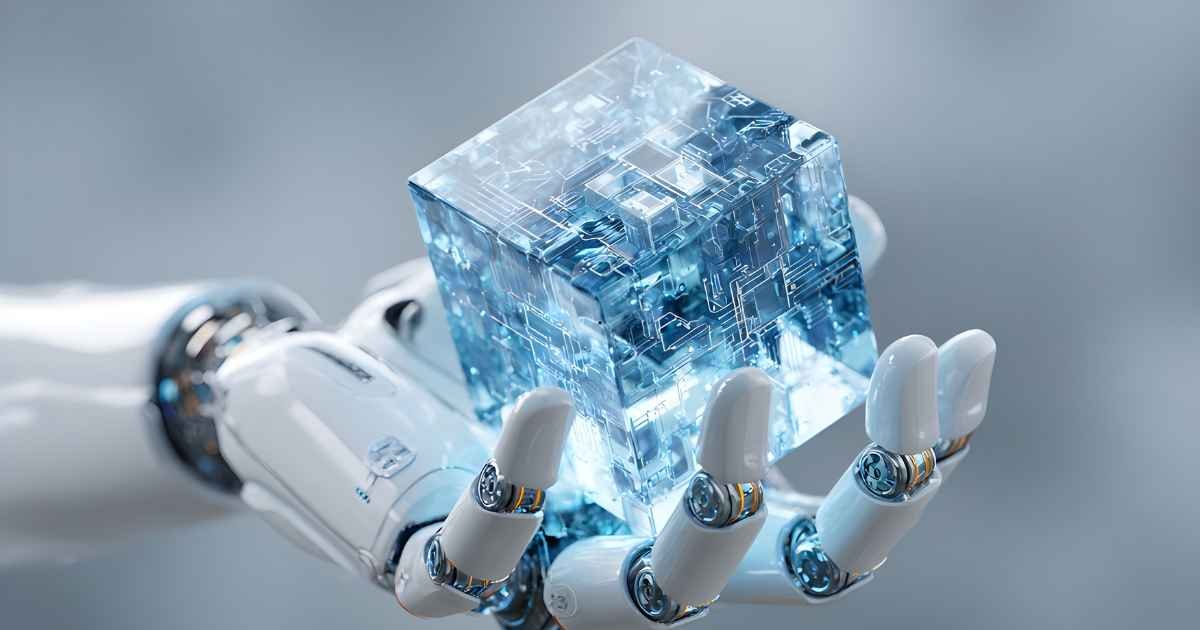
Robotics is no longer confined to heavy steel cages on automotive assembly lines. The boundary between science fiction and practical reality has blurred completely. Machines are stepping out of isolated environments and moving into our warehouses, hospitals, construction sites, and daily workspaces.
This shift isn’t just about making machines move faster or lift heavier loads. The modern evolution of robotics focuses on adaptability, intelligence, and safe interaction with human coworkers.
Driven by rapid breakthroughs in machine learning, sensor technology, and material science, the robotics landscape is changing the face of global industry. Here are the seven major trends shaping the future of robotics.
1. Humanoid Robots Stepping Into Real Workspaces
What is driving the rise of humanoid robots? Humanoid robots are moving from research labs to commercial factory floors to handle repetitive, physically demanding tasks in environments originally designed entirely for human anatomy.
For a long time, building a robot shaped like a human was viewed as an inefficient novelty. Engineers preferred specialized wheels, tracks, or multi-jointed arms. However, because our entire global infrastructure—from warehouse aisles to door handles and staircases—was built for the human form, humanoid designs are proving highly practical.
Major fulfillment centers and manufacturing plants are actively deploying humanoid fleets to manage heavy lifting and sorting. These bipedal machines utilize advanced balancing algorithms and real-time spatial mapping to walk smoothly alongside human workers, bridging labor gaps in high-turnover industries without requiring companies to completely redesign their physical facilities.
2. Next-Gen Cobots and Safe Human Coexistence
How do collaborative robots improve workplace safety? Collaborative robots, or cobots, utilize advanced proximity sensors, skin-like tactile networks, and force-limiting mechanics to work directly alongside human employees without safety cages.
Traditional industrial robots operate with blind, unyielding force. If a human steps into their path, the results can be catastrophic. Next-generation cobots completely eliminate this barrier by prioritizing sensory awareness.
Equipped with high-fidelity torque sensors at every joint, modern cobots instantly freeze their movement if they detect even a feather-light unexpected contact. This extreme responsiveness helps teams work together smoothly. Humans can handle complex problem-solving and quality checks, while the cobot manages repetitive picking, gluing, or sorting right next to them.
3. AI-Driven Autonomy and Zero-Code Training
How does artificial intelligence change robot programming? Modern artificial intelligence integration allows robots to learn new tasks through visual observation or natural language instructions instead of requiring engineers to write thousands of lines of complex manual code.
Historically, changing a robot’s routine required bringing in specialized programmers and shutting down production for days. If a part shifted by an inch, the machine would fail.
AI has introduced dynamic adaptability. Using imitation learning and neural networks, an operator can physically guide a robotic arm through a path once, or simply show it a video of a task. The robot analyzed the goal, builds its own movement paths, and automatically adjusts its angles if a component arrives misaligned or upside down on a conveyor belt.
4. Autonomous Mobile Robots (AMRs) Transforming Logistics
What is the difference between AGVs and AMRs? Unlike older Automated Guided Vehicles (AGVs) that must follow rigid magnetic strips on the floor, autonomous mobile robots navigate dynamic spaces independently using LiDAR and computer vision to bypass unexpected obstacles.
The logistics and warehousing sectors have become the primary testing grounds for advanced mobile automation. AMRs act as the intelligent circulatory system of modern distribution hubs.
By constantly scanning their surroundings, AMRs safely navigate around fallen pallets, forklift traffic, and pedestrians. They communicate with a central warehouse database to optimize their travel paths in real time, ensuring inventory moves from receiving docks to packing stations with zero transit delays.
5. High-Torque Heavy Machinery and Precision Maintenance
While electric actuators handle light, precise tasks in small cobots, heavy-duty applications like autonomous mining, forestry, and heavy construction still rely on robust fluid power systems to lift tons of material.
As heavy industrial machinery transitions toward autonomous control, maintaining mechanical reliability becomes vital. A machine operating without a human driver in a remote quarry must be completely dependable. Because these systems run continuously under immense pressure, keeping an eye on physical wear points is critical.
If a high-pressure line suffers an unexpected split, the entire automated site can grind to a halt. Field operators look for advanced hydraulic hose repair services to quickly swap out damaged lines, clear system errors, and get their automated heavy fleets back into production safely before delays impact project margins.
6. Soft Robotics and Delicate Material Handling
What is soft robotics used for? Soft robotics utilizes flexible, compliant materials inspired by biological organisms to safely handle fragile items like agricultural produce or delicate glassware without applying destructive pressure.
Traditional metal grippers excel at holding machined steel parts, but they easily crush an apple, bruise a piece of fish, or crack a thin glass vial. Soft robotics solves this challenge by looking to nature for inspiration, utilizing materials like silicone, rubber, and advanced polymers.
Using pneumatic or hydraulic pressure to gently inflate flexible fingers, these grippers conform perfectly to irregular, organic shapes. This compliant grip allows automation systems to expand deep into food processing, agriculture, and biomedical sorting—industries that were previously considered far too delicate for rigid industrial automation solutions.
7. Cloud Robotics and Collective Fleet Intelligence
The ultimate power of modern robotics doesn’t live within the individual machine; it lives in the cloud network. Cloud robotics connects separate units to a unified digital brain.
If a robotic arm in a facility encounters a brand-new object or an unusual error code, it solves the challenge using cloud-based processing. Once it learns the correct grip or adjustment strategy, that data is instantly uploaded and shared across the entire global fleet. Every connected machine learns from the experiences of its peers, resulting in a self-optimizing ecosystem that grows smarter and more efficient every single day.
Myth vs. Fact: The Realities of Automation
- Myth: The widespread adoption of robotics will completely eliminate the need for a human workforce.
- Fact: Automation shifts the nature of work rather than erasing it. While machines take over hazardous, dirty, and repetitive roles, they create massive new employment sectors centered around robot maintenance, data analysis, fleet management, and control systems engineering.
- Myth: Implementing advanced robotics is only financially viable for massive multinational corporations.
- Fact: The emergence of “Robotics-as-a-Service” (RaaS) subscription models allows small and medium-sized businesses to lease automated systems on a monthly basis, turning heavy capital investments into scalable operating expenses.
Summary
The trajectory of robotics is defined by a distinct shift away from rigid, pre-programmed automation toward flexible, intelligent assistance. Humanoid form factors and safe collaborative cobots are reshaping how factory floors operate, while AI integration and cloud connectivity allow fleets to learn and adapt in real time. Mobile platforms keep logistics fluid, soft components open doors to delicate handling industries, and rugged hydraulic engineering ensures heavy field equipment can handle the toughest environments safely.
Ultimately, the future of robotics is not a story of machines replacing humans. It is a narrative of integration, where intelligent tools adapt to our world, take on our most hazardous tasks, and collaborate with us to build a more efficient, sustainable industrial landscape.
Disclaimer: The information provided in this article is for general informational and educational purposes only. It does not constitute professional engineering, industrial automation, or investment advice. Robotics technology evolves rapidly; readers should verify specifications and safety standards independently. The author and publisher disclaim all liability for any decisions, operational outcomes, or losses arising from reliance on this content. Always consult qualified professionals for specific automation implementations. This article does not endorse any particular product or service.
Get inspired by thought-provoking articles—find soulful wisdom and small steps that heal.